


s5 | The Fascinating World of Simulation Games: A Genre for All Interests
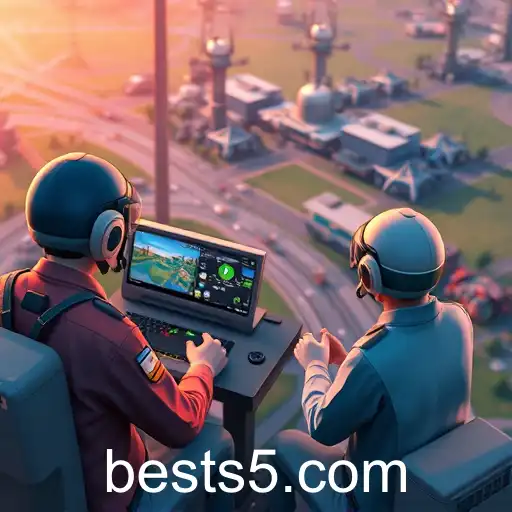
Simulation games have carved out a unique niche in the gaming world, offering players the chance to mimic real-world activities through computerized experiences. These games span a wide range of activities, including building cities, managing businesses, and even simulating life itself. As the category continues to evolve and expand, the allure of simulation games lies in their ability to provide a sandbox environment where creativity and strategy are paramount.
One of the foremost attractions of simulation games is their diversity. City-building games, for instance, enable players to design and manage entire urban infrastructures, balancing resource allocation and managing citizens' needs. Popular titles such as "SimCity" and "Cities: Skylines" exemplify this sub-genre, challenging players to construct efficient cities while overcoming obstacles such as natural disasters and financial constraints.
Business simulation games, on the other hand, allow players to delve into the intricacies of entrepreneurship, controlling every facet of their virtual enterprises. Whether it’s running a bustling restaurant chain or a theme park in "RollerCoaster Tycoon," these games require critical thinking and strategic planning to ensure success.
Life simulation games form another cornerstone of the category. Titles like "The Sims" offer players a sandbox universe where they can control the lives of characters, shaping their stories, careers, and interpersonal relationships. It's a digital extension of storytelling that resonates profoundly with players who enjoy creating narratives within rich virtual ecosystems.
With technology advancing at a rapid pace, the future of simulation games looks promising. Virtual Reality (VR) and Augmented Reality (AR) are poised to take simulation experiences to new heights, allowing for even more immersion. The rising popularity of VR-compatible titles like "Job Simulator" is testament to this potential, hinting at a future where players can engage with simulations in unprecedented ways.
The educational value of simulation games should not be underestimated. They are often employed as learning tools, providing hands-on experience in various fields such as aviation and medicine. Flight simulators, for instance, are critical in pilot training, offering a risk-free environment to hone flying skills.
As developers push the boundaries of what's possible within simulation games, the genre continues to attract a diverse audience, from casual gamers seeking relaxation to hardcore strategists craving complex challenges. The versatility of simulation games ensures they remain a staple of the gaming world, an ever-evolving canvas for innovation and creativity.
